Dorset Museum & Art Gallery is on High West Street in Dorchester, twelve kilometres north of Weymouth, and it is the county museum.
It was substantially rebuilt and expanded in a major project completed a few years ago, and returning visitors are consistently startled by the change: much larger, much better displayed, with new galleries and a great deal more on show.
The museum holds the largest collection of Thomas Hardy material in the world, and the centrepiece is a reconstruction of his study at Max Gate — the Dorchester house he designed for himself — with his own furniture, books, pens and manuscripts in place.
For anyone who has read the novels, this is the reason to come. Hardy’s Wessex is the country immediately outside the window, and standing in the room where Tess and Jude were written, in the town he called Casterbridge, is the closest you get to the source.
The collection includes manuscripts, letters, first editions and personal possessions.
Dorset has an exceptional prehistoric record and the museum holds the finds.
Maiden Castle — the largest Iron Age hill fort in Britain, two kilometres outside Dorchester — was excavated by Mortimer Wheeler in the 1930s, and the material is here: pottery, weapons, and the war cemetery burials from the eastern gate, including a skeleton with a Roman ballista bolt in the spine.
Durotriges material, Roman Durnovaria — Dorchester’s Roman town — with mosaics, and the Roman Town House whose remains lie behind County Hall a few minutes away and are free to visit.
Bronze Age and Neolithic material from the chalk.
The Jurassic Coast is on the doorstep, and the museum holds fossils and geology accordingly — ammonites, marine reptiles and the story of the coast’s formation.
An honest note for families: if fossils and dinosaurs are specifically what a child wants, the Etches Collection at Kimmeridge — a purpose-built museum of one man’s extraordinary lifetime of Kimmeridge Clay fossils — does that better. Dorset Museum’s strengths are Hardy, archaeology and art.
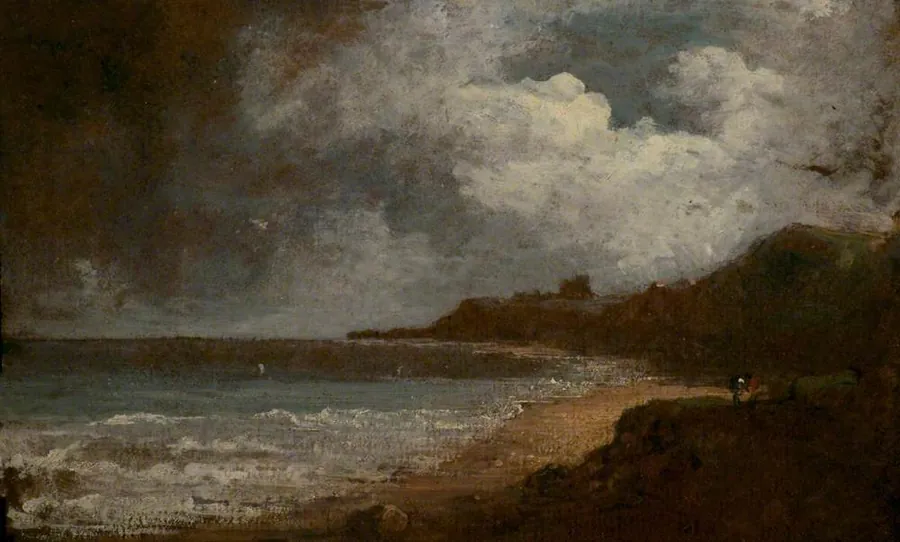
The gallery holds a significant collection of Dorset landscape and portrait painting, with a changing exhibition programme.
The recurring words are hidden gem, excellent displays and very well thought out. One specific compliment worth repeating: the descriptions are on point without unnecessary padding, which is a genuinely rare virtue in museum labelling.
Staff are described as knowledgeable and friendly, the café as good and not expensive, the shop as reasonable, and the toilets as plentiful and clean.
Time: two to three hours.
Admission charged; the ticket normally converts to a year’s return admission — ask.
Facilities: café, shop, toilets.
Access: the rebuilt museum is fully accessible with lifts.
Getting there: High West Street, Dorchester, about twenty minutes from Weymouth by road. Dorchester South and Dorchester West stations are both a short walk, with frequent trains from Weymouth.
Maiden Castle, two kilometres south-west of Dorchester — free, open, and one of the great sights of prehistoric Britain.
The Roman Town House behind County Hall — free, with mosaics under cover.
Max Gate, Hardy’s own house, National Trust, on the edge of Dorchester.
Hardy’s Cottage at Higher Bockhampton, where he was born, also National Trust.
The largest in the world, including a reconstruction of his study at Max Gate with his own furniture and manuscripts.
Yes — a major rebuild has made it substantially larger and better displayed, and returning visitors comment on the transformation.
Partly. For fossils specifically, the Etches Collection at Kimmeridge is the better choice; this museum’s strengths are Hardy, archaeology and art.
Two to three hours.
Yes — Dorchester South and Dorchester West are both a short walk, with frequent trains from Weymouth.